PhotoCraft

Trust check

is photocraft legit? What You Can Verify

If you are asking is photocraft legit, start by separating the name from the evidence. This guide explains what can be checked, what remains unconfirmed, and when a different route is more appropriate.

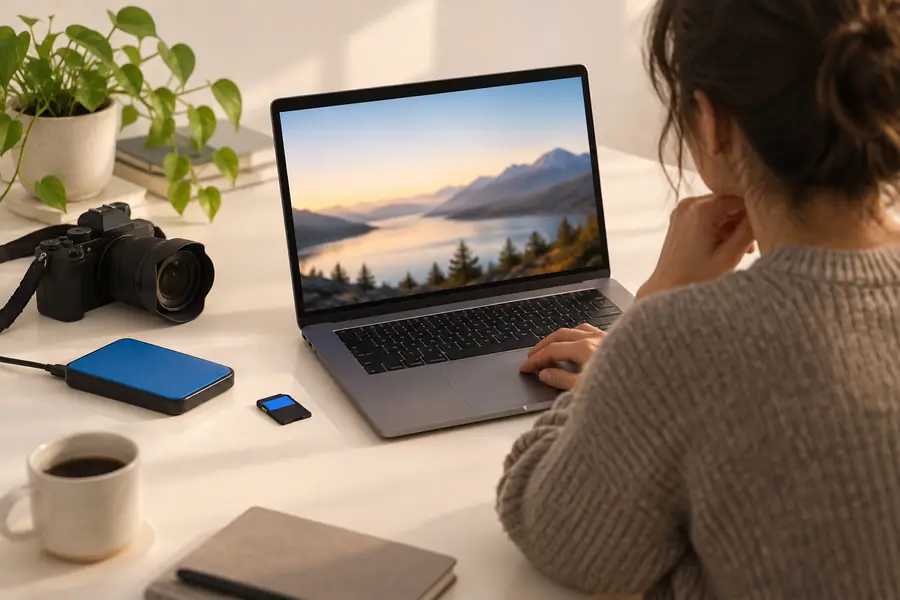
A clean photo editing workspace with an image on screen

Practical lens

What Photocraft actually is

Photocraft is best treated as a name or product reference that needs context. These common situations show why the same label can require different checks.

A curious visitor

You found Photocraft through a search result and want to know whether it represents a real, maintained service.

Check the publisher, official route, privacy language, and current product details before sharing anything.

is photocraft safe

A creative professional

You are considering a photo workflow and need confidence that the tool matches your files and working habits.

Test with non-sensitive sample images first, then compare the actual workflow with the claims made about Photocraft.

is photocraft safe

A small business owner

You are evaluating whether a named image tool is suitable for client work or internal assets.

Look for clear ownership, support expectations, usage rights, and a way to remove or export your work.

is photocraft safe

A cautious first-time user

You want to explore the idea without committing personal photos, payment details, or confidential material.

Use a low-risk test and stop if the service cannot explain who operates it or how uploaded content is handled.

is photocraft safe

Verification path

What Photocraft actually is: a verification path

A legitimacy check is not a single badge. It is a short sequence that moves from identity to behavior to fit.

Identify the operator

Look for a consistent official domain, publisher name, contact route, terms, and privacy information. A product name without an accountable operator is incomplete evidence.

Inspect the claims

Compare what Photocraft says it does with the controls, outputs, permissions, and documentation you can actually see. Avoid treating screenshots or search snippets as proof.

Run a low-risk test

Use a disposable image and observe the workflow before uploading anything private or relying on the result for important work.


Know the edge

Boundary conditions

A careful review can clarify uncertainty, but it cannot create evidence that is not available. These are the limits of this route.

It cannot verify an unnamed operator

A product label alone does not establish who owns, maintains, or supports the service.

WorkaroundConfirm the official domain and look for consistent legal, support, and privacy details.

It cannot guarantee future reliability

A service may change ownership, features, policies, or availability after you review it.

WorkaroundKeep important originals and avoid making a critical workflow depend on one unverified route.

It cannot judge every uploaded file

Risk depends on the sensitivity, rights, and personal information contained in your images.

WorkaroundStart with a non-sensitive sample and review the handling policy before using real assets.

It cannot replace independent testing

A page-level assessment cannot prove output quality, performance, or compatibility with your exact workflow.

WorkaroundTest the specific task, file type, and export need that matters to you.

Evidence snapshot

Boundary conditions: what the evidence shows

These figures describe the scope of this review, not product performance. They keep the trust question precise instead of turning uncertainty into a claim.

Direct ownership details supplied in the available query evidence
0 confirmed
Primary trust question examined on this page
1 query
Separate concerns to keep apart: legitimacy and safety
2 checks

Compare the signal

Boundary conditions: signal versus proof

A visual result can help you recognize a route, but appearance alone is not a trust credential.

Name and impression

Illustrative Photocraft legitimacy review visual
Illustrative Photocraft safety review visual
Evidence and safeguards

The comparison is illustrative: a polished presentation is not the same as verified ownership or safe handling.

Side by side

When not to use it

If the stakes are high, compare the route with the evidence you actually have. This table shows where caution should outweigh convenience.

A cautious Photocraft check A verified workflow
1

Operator identity

A cautious Photocraft check

May be unclear from the name or search result alone.

A verified workflow

Clearly identifies the owner, publisher, or accountable organization.

2

Privacy information

A cautious Photocraft check

Should be located and read before uploading real images.

A verified workflow

Provides understandable handling, retention, and deletion information.

3

File sensitivity

A cautious Photocraft check

Suitable only for low-risk testing until handling is understood.

A verified workflow

Can be evaluated against the sensitivity of the actual files.

4

Output expectations

A cautious Photocraft check

Should not be assumed from branding or a screenshot.

A verified workflow

Confirmed through a task-specific test with the needed output.

5

Support route

A cautious Photocraft check

A contact path may be absent, unclear, or unverified.

A verified workflow

Offers a consistent way to report problems or ask questions.

6

Use for critical work

A cautious Photocraft check

Avoid until identity, policy, and behavior are established.

A verified workflow

Consider only after independent checks and a successful trial.

Make a careful start

When not to use it

Do not rely on Photocraft for confidential, irreplaceable, or business-critical images until you can identify the operator and understand how files are handled. For an exploratory test, use a disposable sample, record what you observe, and keep your originals elsewhere.

  • Verify the operator before uploading
  • Use a non-sensitive sample first
  • Keep originals and critical work independent

Common questions

FAQ

These answers keep the trust question grounded in what can actually be checked.

The name alone is not enough to confirm legitimacy. Check the official operator, domain consistency, privacy information, support route, and the behavior you observe in a low-risk test.

Verify who operates it, what happens to uploaded files, whether the terms are understandable, and whether the workflow produces the output you need. Avoid treating search placement, branding, or screenshots as independent proof.

No. Presentation can make a service easier to understand, but it does not establish ownership, data handling, security, or long-term reliability. Those require separate evidence.

Start with a disposable image that contains no sensitive details, personal documents, or confidential material. Wait until you understand the operator and file-handling policy before using anything important.

No. Legitimacy concerns who operates a service and whether its claims are accountable; safety concerns permissions, privacy, security, and file handling. Review both questions separately.

Start creating
Start creating